What Is Rebedding Roof Tiles?
If you’ve been told your roof needs rebedding, you might be wondering what that actually means—and whether it’s something you really need done. Roof rebedding is a common part of maintaining and restoring tiled roofs, especially older ones that have been exposed to years of harsh Australian weather.
Over time, the materials holding your ridge capping in place can break down, crack, or become loose. When this happens, your roof becomes more vulnerable to leaks, movement, and storm damage. That’s where rebedding comes in.
In this blog, we’ll explain what rebedding roof tiles is, why it matters, how it differs from repointing, and when your roof may need attention.
What Does Rebedding Roof Tiles Mean?
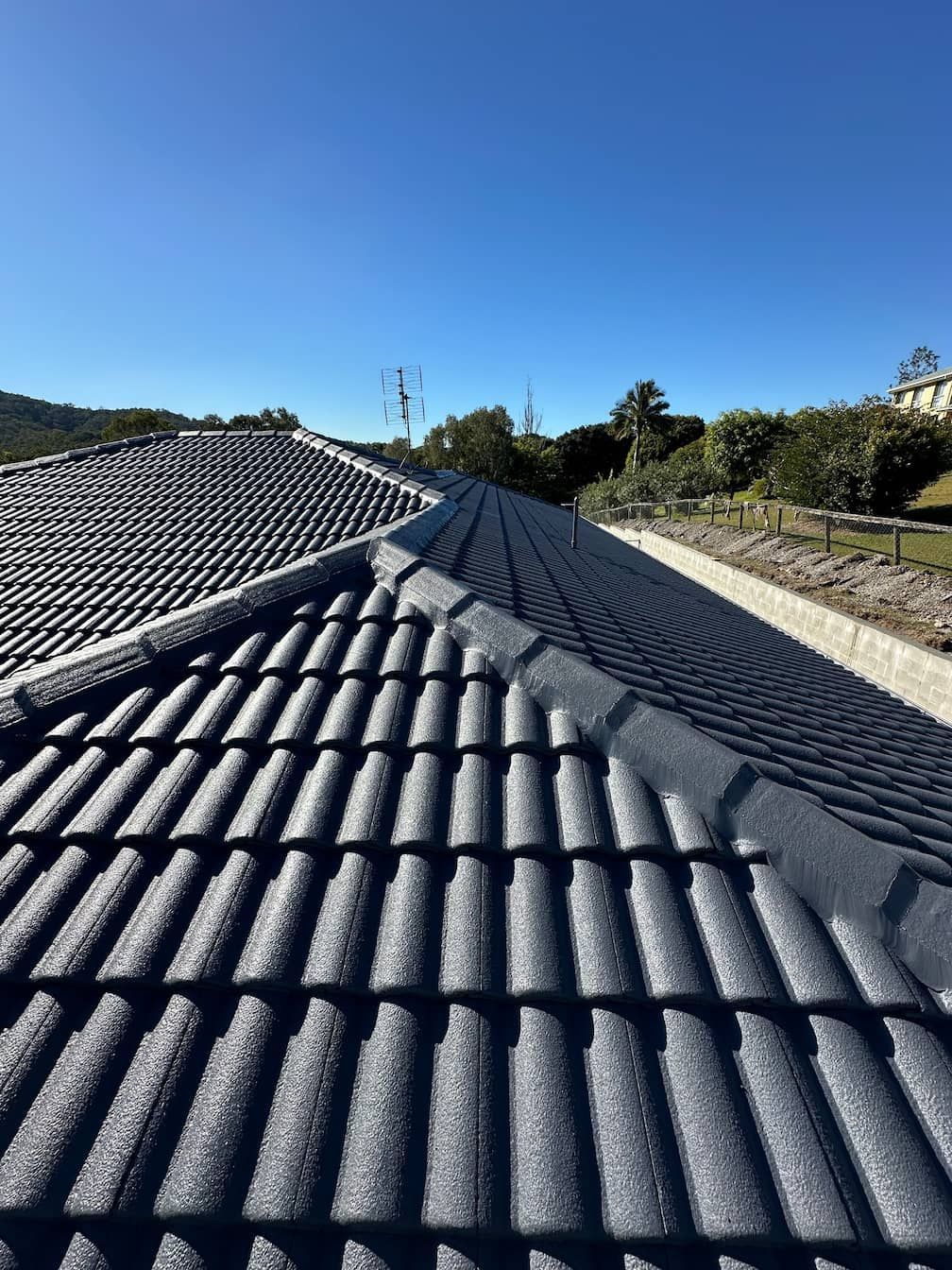
Rebedding roof tiles refers to the process of resetting and securing the ridge capping tiles on a tiled roof using fresh bedding mortar.
Ridge capping is the line of tiles that runs along the peaks and hips of your roof. These tiles are not just decorative—they play an important role in sealing the roof and protecting vulnerable joins from water ingress and wind damage.
The “bedding” is the mortar base underneath the ridge capping that holds it in place. Over time, this mortar can become brittle, crack, or crumble away. Rebedding involves removing the damaged bedding and replacing it with fresh mortar so the ridge caps sit securely again.
Why Is Rebedding Important?
Rebedding is important because the ridge capping is one of the most exposed parts of your roof.
If the bedding underneath starts to fail, it can lead to:
- Loose ridge capping
- Water leaks into the roof cavity
- Increased movement during strong winds
- Broken tiles and roof damage
- A shorter lifespan for your roof
In Australia, tiled roofs deal with a lot—heat, UV exposure, storms, heavy rain, and strong winds. Over the years, all of this can cause the original bedding mortar to deteriorate.
Rebedding helps restore the strength and stability of your roof so it can continue protecting your home properly.
Which Tiles Are Usually Rebedded?
Rebedding usually applies to the ridge capping tiles, not every tile on the roof.
This includes:
- Ridge tiles along the top peak of the roof
- Hip tiles running down angled roof edges
- Sometimes other capped joins depending on the roof design
The main field tiles on your roof generally don’t require bedding in the same way, unless individual tiles need replacing or repositioning as part of other repairs.
Signs Your Roof May Need Rebedding
There are several signs that may indicate your roof needs rebedding.
Cracked Or Missing Mortar
If you can see mortar around your ridge capping that looks cracked, loose, or missing, that’s a strong sign the bedding is starting to fail.
Loose Ridge Capping
If ridge cap tiles have shifted or feel unstable, the bedding underneath may no longer be holding them securely.
Roof Leaks
Water entering through the ridge line can often be linked to failed bedding or pointing.
Falling Debris Around The House
If you’ve noticed bits of mortar on the ground around your property, it may be coming from deteriorating roof bedding.
Visible Roof Ageing
Older tiled roofs often need rebedding as part of general maintenance or restoration, especially if they haven’t been serviced in years.
What Causes Roof Bedding To Deteriorate?
Roof bedding naturally wears down over time, but some factors can accelerate the process.
Weather Exposure
Sun, rain, storms, and temperature changes all take a toll on mortar over time.
Roof Movement
Roofs naturally expand and contract with temperature changes, which can cause rigid bedding materials to crack.
Age
Older roofs are more likely to experience bedding failure simply due to the age of the materials.
Poor Previous Workmanship
If the original bedding wasn’t applied correctly, it may fail earlier than expected.
How Is Roof Rebedding Done?
Roof rebedding is a specialised roofing repair that should always be carried out by a professional.
The process typically includes the following steps:
1. Roof Inspection
The roof is inspected to determine the condition of the ridge capping and bedding mortar.
2. Remove Damaged Bedding
Any cracked, loose, or deteriorated mortar is removed from under the ridge caps.
3. Reset Ridge Capping
The ridge cap tiles are repositioned correctly to ensure proper alignment.
4. Apply Fresh Bedding Mortar
New bedding mortar is applied to secure the ridge capping firmly in place.
5. Allow Time To Set
The new bedding needs time to cure before the next stage—usually repointing—is completed.
Rebedding is often carried out as part of a larger roof restoration, especially if the roof also requires cleaning, tile replacement, or painting.
What’s The Difference Between Rebedding And Repointing?
This is one of the most common questions homeowners ask—and it’s an important one.
Although rebedding and repointing are often done together, they are not the same thing.
Rebedding
Rebedding is the process of replacing the mortar base underneath the ridge capping.
Repointing
Repointing is the process of applying a flexible pointing compound over the top of the ridge capping and bedding to seal it and provide extra protection.
Put simply:
- Rebedding = structural support
- Repointing = protective seal
If the bedding underneath is badly damaged, repointing alone won’t fix the problem. The ridge caps need to be properly rebedded first.
Can You Repoint Without Rebedding?
Sometimes, yes—but only if the bedding underneath is still in good condition.
If the mortar base is still solid and secure, a roof may only need repointing to refresh the seal and improve protection.
However, if the ridge capping is loose or the bedding is cracked and deteriorating, rebedding should be done first. Applying new pointing over failing bedding is only a temporary fix.
A professional roof inspection will determine which option your roof needs.
How Long Does Roof Rebedding Last?
When completed properly, roof rebedding can last for many years.
The lifespan depends on factors such as:
- The age and condition of the roof
- The quality of materials used
- The workmanship of the installer
- Weather exposure and location
In many cases, rebedding combined with repointing can provide long-lasting protection and help extend the life of your tiled roof significantly.
Is Rebedding Worth It?
If your ridge capping is loose, cracked, or deteriorating, rebedding is absolutely worth doing.
It helps to:
- Prevent leaks
- Improve roof stability
- Reduce the risk of storm damage
- Protect your home from further issues
- Extend the life of your roof
Ignoring failed bedding can lead to more expensive problems later on, especially if water starts entering your roof cavity or tiles become dislodged during bad weather.
Conclusion
So, what is rebedding roof tiles? In simple terms, it’s the process of replacing the mortar that holds your ridge capping in place. It’s a key part of maintaining tiled roofs and an important step in many roof restorations.
If your roof is showing signs of cracked mortar, loose ridge caps, or leaks, rebedding may be exactly what’s needed to restore its strength and protect your home.
Getting on top of these issues early can save you money in the long run and help keep your roof in good condition for years to come.

Written by Reece Worboys
Reece has been in the Gold Coast roofing game for over 15 years and is a trade-qualified roof plumber and painter/decorator. He's also a QBCC licensed supervisor and roofing contractor.