How To Find A Roof Leak
A leaking roof is one of the most frustrating problems a homeowner can face. Even a small leak can quickly lead to water damage, mould growth, ceiling stains, and structural issues if it’s not addressed early. The challenge is that roof leaks don’t always appear exactly where the damage is visible inside the house.
Water can travel along roof beams, insulation, and ceiling cavities before dripping through the ceiling. This means the source of the leak may be several metres away from where the water is actually entering your home.
Understanding how to find a roof leak can help you identify the problem early and prevent costly repairs. In this guide, we’ll explain common signs of a roof leak, how to locate the source, and when it’s time to call a professional.
Common Signs of a Roof Leak
Roof leaks often show warning signs before major damage occurs. Identifying these early can help you act quickly and minimise repair costs.
Some of the most common signs include:
- Water stains on ceilings or walls
- Damp patches in the ceiling
- Peeling paint or bubbling plaster
- Mould or mildew growth
- Dripping water during rain
- Musty smells in roof spaces
If you notice any of these signs, it’s important to investigate the issue as soon as possible.
Check the Ceiling and Interior First
The first place to look when investigating a roof leak is inside your home.
Start by checking the area where the leak appears on the ceiling. Look for water stains, wet patches, or discolouration. These marks often appear as brown or yellow rings.
However, remember that the visible stain may not be directly below the leak. Water can travel along timber framing or ceiling cavities before dripping down.
If possible, inspect the ceiling during or shortly after rain. This can help identify where the water is entering.
Inspect the Roof Space
If your home has an accessible roof cavity or attic, inspecting the roof space can help narrow down the source of the leak.
Take a torch and carefully look for signs of moisture such as:
- Wet insulation
- Damp timber beams
- Water stains on rafters
- Dripping water
Follow any signs of moisture upward toward the roof structure. Often you can trace the water path back to the point where it enters the roof.
It’s important to take care when moving through a roof space and only step on structural beams to avoid damaging the ceiling.
Check Roof Flashing
Flashing is one of the most common sources of roof leaks.
Roof flashing is the metal material used to seal areas where the roof meets structures such as chimneys, skylights, walls, and vents. Over time, flashing can become loose, rusted, or damaged.
Common flashing leak areas include:
- Around chimneys
- Around skylights
- Where the roof meets a wall
- Around roof vents
If flashing becomes cracked or poorly sealed, water can easily find its way underneath the roof covering.
Look for Damaged or Missing Roof Tiles
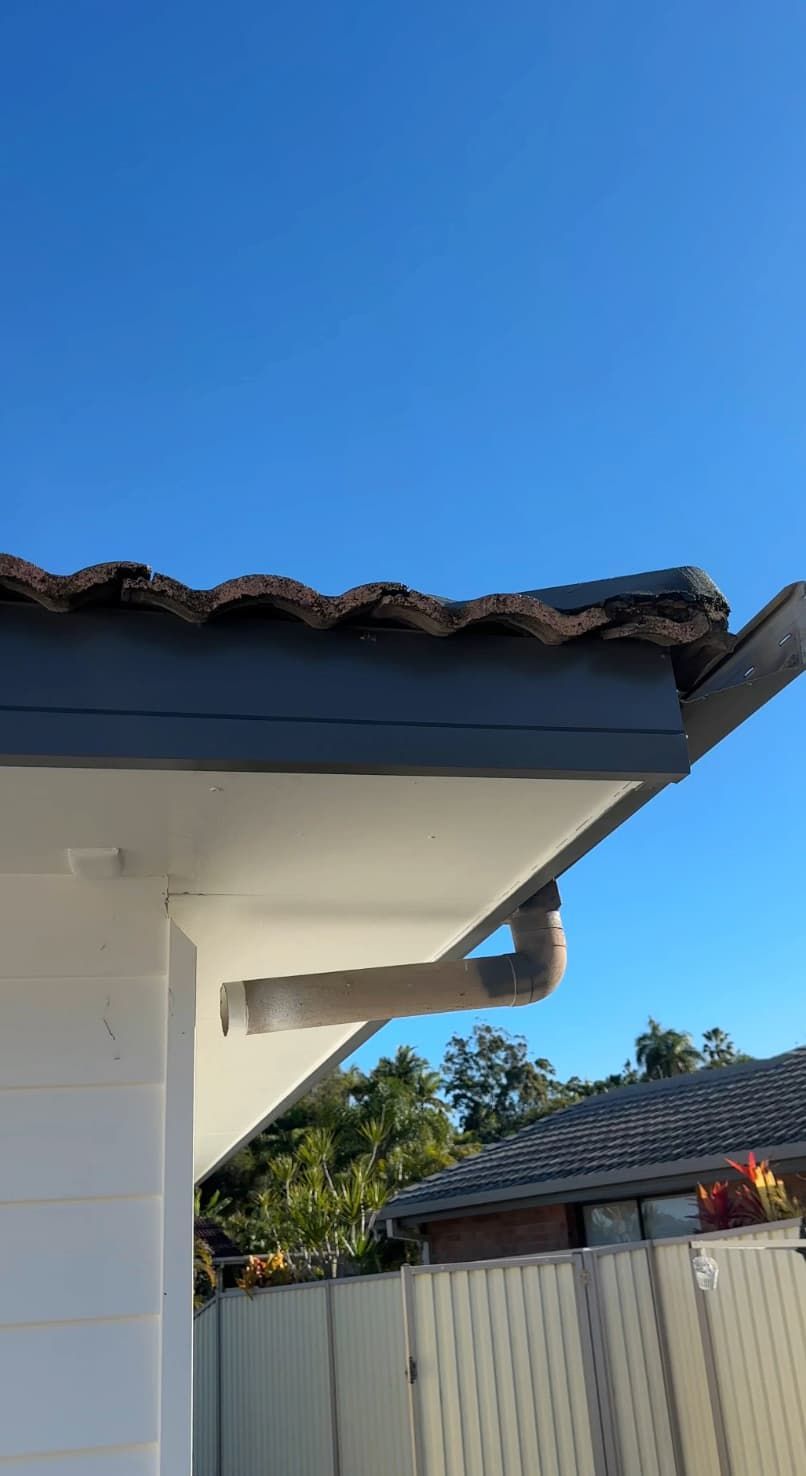
For tiled roofs, cracked or missing tiles are another common cause of leaks.
Roof tiles can become damaged due to:
- Storms and strong winds
- Falling branches
- Age and wear
- Foot traffic on the roof
A single broken tile can allow water to enter the roof cavity during heavy rain.
Inspect the roof for tiles that appear:
- Cracked
- Slipped out of position
- Missing entirely
Replacing damaged tiles is often a simple repair that can prevent further water damage.
Check Roof Valleys
Roof valleys are the channels where two roof slopes meet. These areas collect and direct large volumes of water toward the gutters.
Because they handle so much water, valleys are a common location for leaks.
Problems that may occur in roof valleys include:
- Rusted metal valley trays
- Blockages from leaves and debris
- Poor installation or deterioration
If a valley becomes blocked, water can overflow and seep underneath roof tiles or sheeting.
Keeping roof valleys clear of debris is an important part of roof maintenance.
Inspect Gutters and Downpipes
Blocked gutters can sometimes be mistaken for roof leaks.
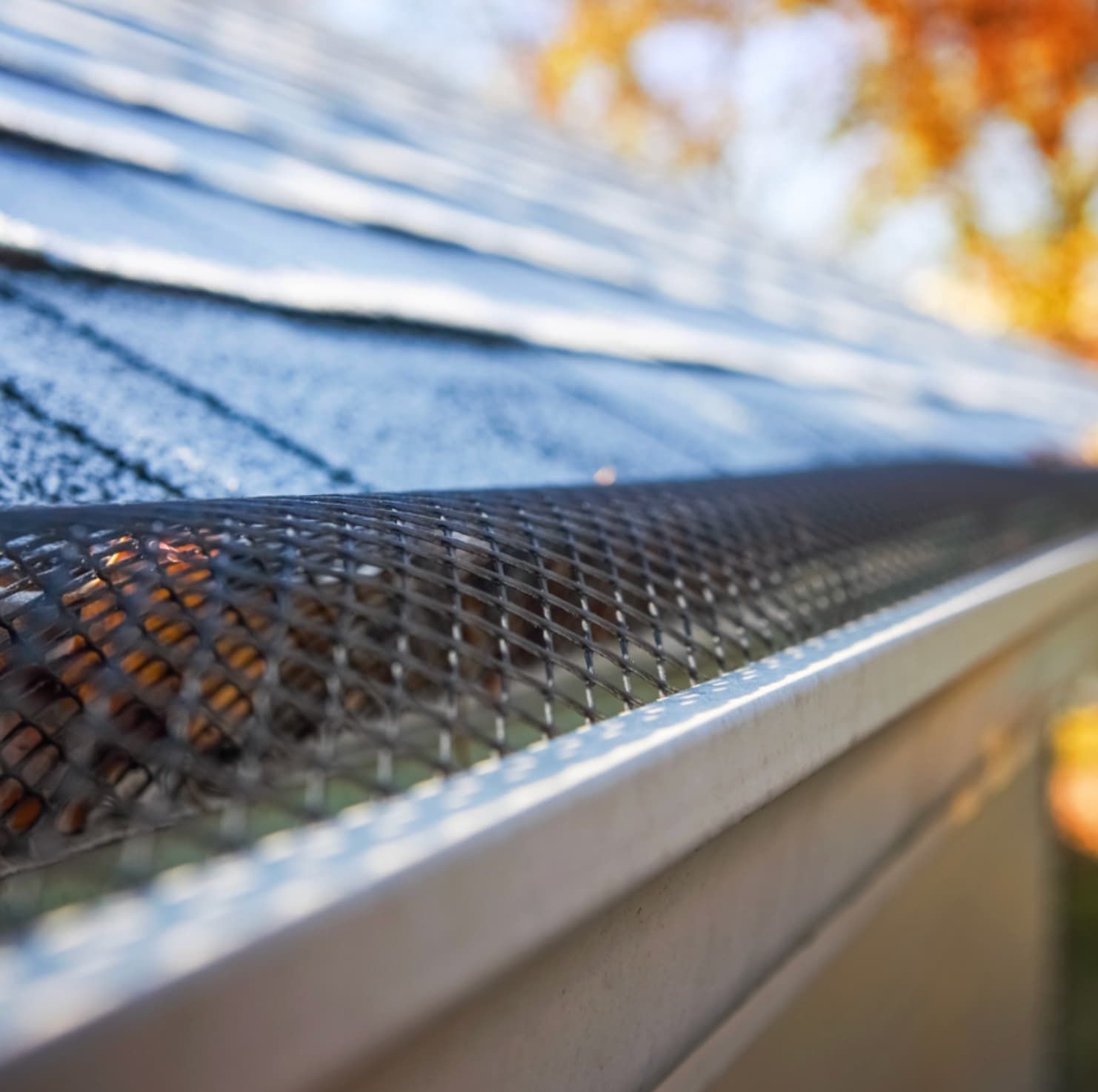
When gutters become filled with leaves, dirt, and debris, rainwater can overflow back under the roof edge or into the roof cavity.
Signs of gutter-related leaks include:
- Water spilling over the gutter edge
- Damp fascia boards
- Overflow during heavy rain
Regular gutter cleaning helps ensure water drains properly away from the roof.
Check Roof Penetrations
Any feature that passes through the roof can potentially become a leak point.
Common roof penetrations include:
- Vent pipes
- Exhaust vents
- Skylights
- Antenna mounts
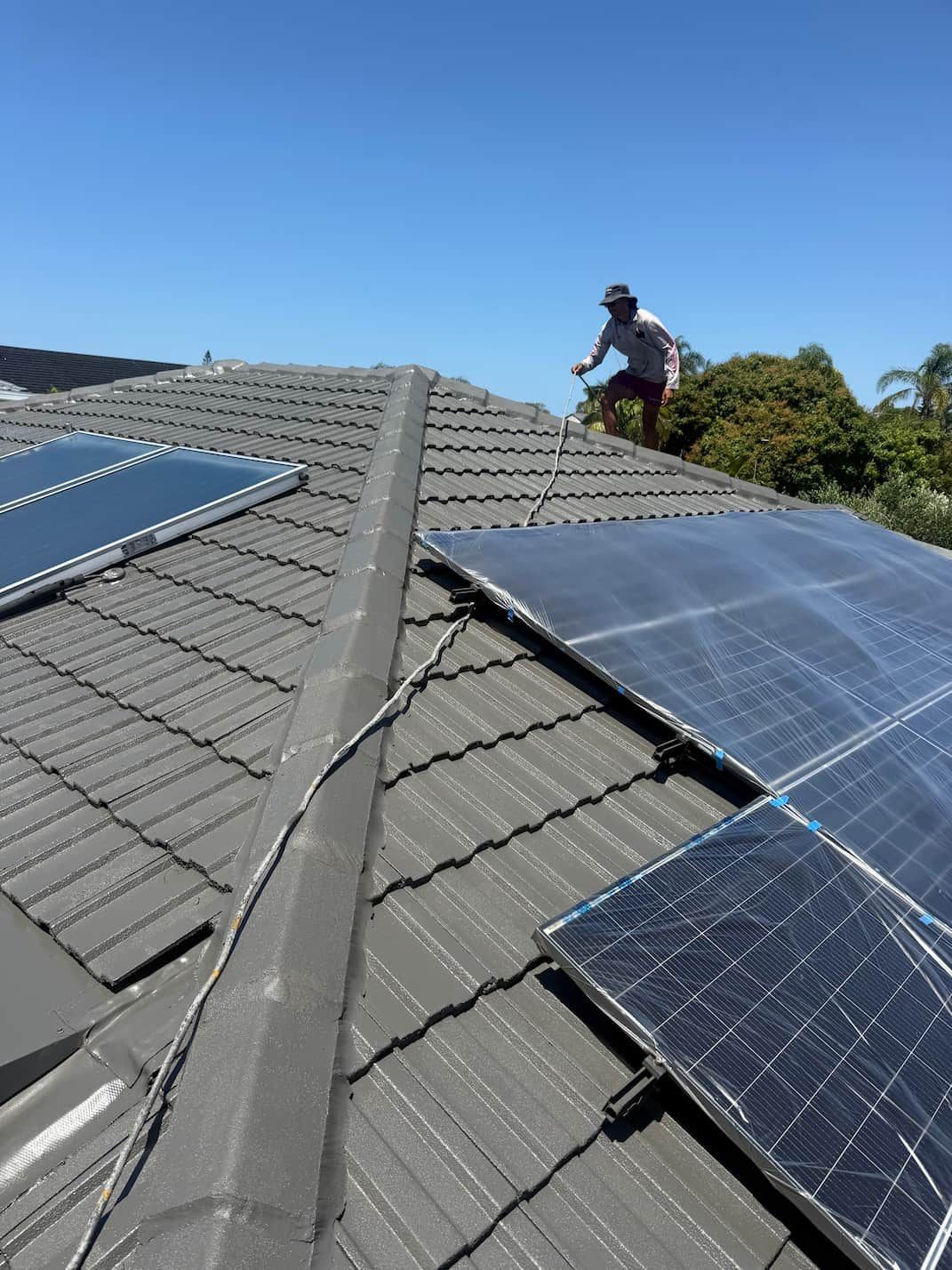
- Solar panel brackets
The seals around these penetrations can deteriorate over time due to sun exposure and weather conditions.
If the seals or flashing around these areas fail, water can enter the roof cavity.
Test the Roof With Water
If the leak is difficult to find, a controlled water test can sometimes help locate the problem.
This involves spraying sections of the roof with a garden hose while another person watches inside the roof cavity for signs of water entering.
Start at the lowest part of the suspected area and slowly work your way upward.
When water begins to appear inside, you may have located the leak.
This method should be done carefully to avoid causing additional damage.
Why Roof Leaks Can Be Difficult to Find
Roof leaks can sometimes be surprisingly difficult to locate.
This is because water does not always travel straight down from the source. It can run along beams, insulation, and roofing materials before dripping through the ceiling.
Weather conditions also play a role. Some leaks may only appear during heavy rain or when wind pushes water in a certain direction.
Because of this, professional roof inspections often involve careful testing and experience in identifying common problem areas.
When to Call a Professional
While some minor issues may be easy to spot, many roof leaks require a professional inspection to identify the exact cause.
A roofing specialist can safely inspect the roof and identify problems such as:
- Damaged tiles or roofing sheets
- Faulty flashing
- Blocked valleys or gutters
- Structural roof issues
- Hidden leaks inside the roof cavity
Professionals also have the tools and experience to safely access roofs and carry out roof repairs.
Preventing Future Roof Leaks
Regular roof maintenance is one of the best ways to prevent leaks.
Some helpful preventative steps include:
- Cleaning gutters regularly
- Removing leaves and debris from roof valleys
- Inspecting roof tiles after storms
- Checking flashing around roof penetrations
- Scheduling periodic roof inspections
Addressing small issues early can help prevent more serious problems in the future.
Final Thoughts
Finding a roof leak can sometimes feel like solving a puzzle. Because water can travel through roof cavities before appearing inside the home, the source of the leak may not always be obvious.
By checking common problem areas such as flashing, roof tiles, valleys, gutters, and roof penetrations, you may be able to identify the issue before it causes serious damage.
If the leak is difficult to locate or continues to return, a professional roof inspection is often the best solution to protect your home and ensure the problem is fixed properly.

Written by Reece Worboys
Reece has been in the Gold Coast roofing game for over 15 years and is a trade-qualified roof plumber and painter/decorator. He's also a QBCC licensed supervisor and roofing contractor.