Softwashing vs Pressure Washing
Softwashing uses low-pressure water and cleaning solutions to loosen dirt and treat organic growth, while pressure washing uses a stronger water stream to remove surface contamination. For roofs, the best method depends on the material, its condition and whether you are cleaning for maintenance or preparing for restoration.
A dark, stained roof or grubby exterior can make your whole property look tired. However, getting everything clean is not as simple as using the most powerful equipment available.
Roof tiles, painted walls, metal roofing and concrete driveways have different cleaning requirements. A method that works well on one surface may damage another.
At Refresh Roof & Exterior Restorations, we believe understanding these differences helps Gold Coast homeowners make better decisions. Here is how soft washing and pressure washing compare, with a particular focus on roof cleaning.
What Is Softwashing?
Softwashing is a cleaning method that relies primarily on a suitable cleaning solution rather than strong water pressure.
The solution is applied at low pressure and given time to work. Depending on the product and surface, the process may include gentle agitation, rinsing or a treatment designed to remain on the surface.
It is commonly considered for organic contamination such as algae, mould and other growth, particularly where protecting an existing finish is a priority.
However, “softwashing” describes the cleaning approach, not one universal chemical mixture. The product, concentration and application method must suit the material being cleaned.
A treatment suitable for concrete tiles is not automatically suitable for metal roofing, painted timber or natural stone.
Benefits Of Softwashing
When appropriate for the surface, softwashing can:
- Reduce reliance on forceful water pressure.
- Treat organic growth with a suitable cleaning product.
- Help clean detailed or textured surfaces.
- Preserve sound finishes that do not need stripping.
Its effectiveness depends on correct product selection and application. Low pressure alone does not guarantee a safe or successful result.
What Is Pressure Washing?
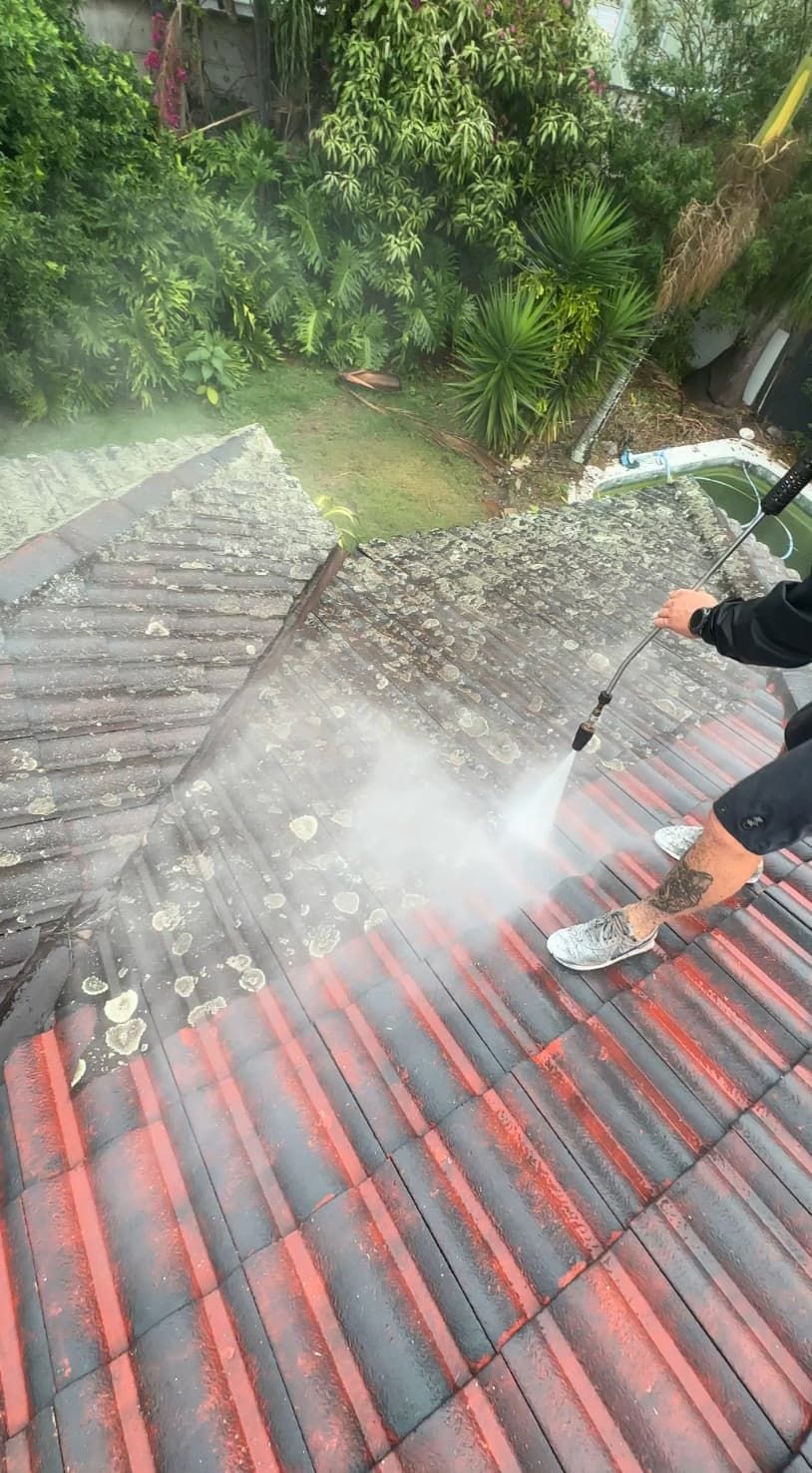
Pressure washing uses pressurised water to dislodge dirt, grime and other material from a surface.
The cleaning action depends on more than the machine’s pressure rating. Water flow, nozzle type, working distance, spray angle and operator technique all influence the result.
Pressure washing may also involve cleaning products. It is not necessarily a water-only process.
It can be useful for robust surfaces and certain roof restoration tasks where more substantial surface preparation is required. However, excessive pressure or unsuitable technique can damage coatings, erode vulnerable materials or force water through gaps.
Benefits Of Pressure Washing
Where the surface and project allow it, pressure washing can:
- Remove accumulated dirt efficiently.
- Lift loose surface material.
- Clean suitable concrete and paved areas.
- Help prepare a roof for a specified coating system.
The important question is whether that cleaning action suits the surface underneath.
| Factor | Softwashing | Pressure Washing |
|---|---|---|
| Main cleaning action | Cleaning solution with low-pressure application | Pressurised water, sometimes combined with cleaning products |
| Common purpose | Treating growth and cleaning suitable sensitive finishes | Removing stubborn contamination from suitable robust surfaces |
| Roof considerations | Chemical compatibility and condition of the finish | Tile strength, coating condition and risk of water entry |
| Main risks | Unsuitable chemicals, overspray or unmanaged runoff | Surface damage, coating removal or water intrusion |
| Best approach | Select products and technique for the material | Adjust equipment and technique for the material |
Neither method is automatically better. A property may need both, applied to different areas or at different stages.
Which Method Is Better For Roof Cleaning?
The first step is identifying why the roof needs cleaning.
Are you removing surface dirt from a roof with a sound coating? Treating organic growth? Preparing weathered tiles for repainting? These are different jobs.
Routine maintenance generally aims to preserve the existing roof finish. Restoration preparation may require removing loose coatings and contamination so a new system can bond properly.
For example, Dulux’s guidance for maintaining an existing Acratex roof coating recommends gentle cleaning, while its roof application guide specifies more intensive preparation for relevant restoration systems. These instructions serve different purposes.
This is why a blanket claim that every roof should be softwashed—or pressure washed—can be misleading.
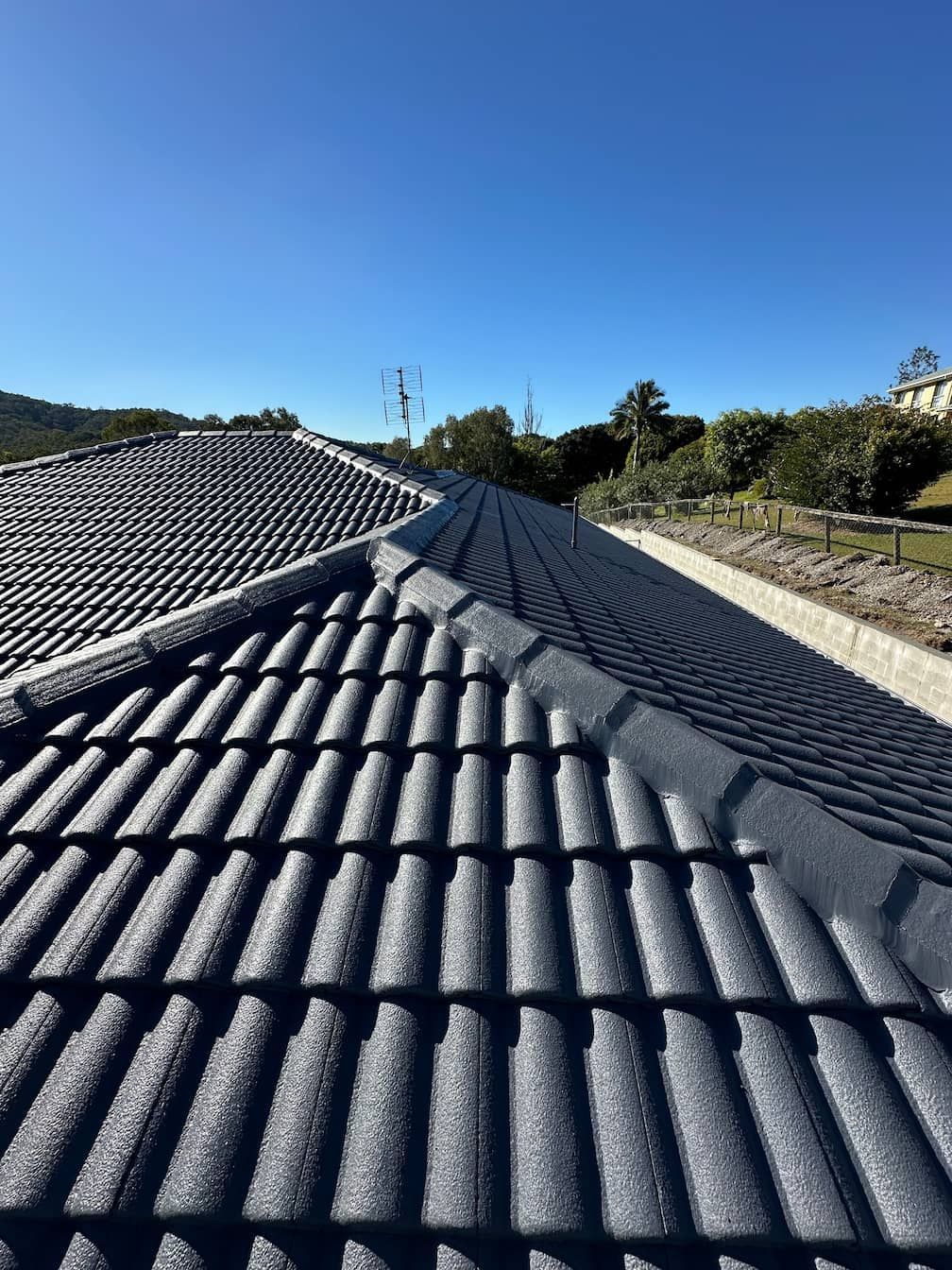
Cleaning Concrete Tile Roofs
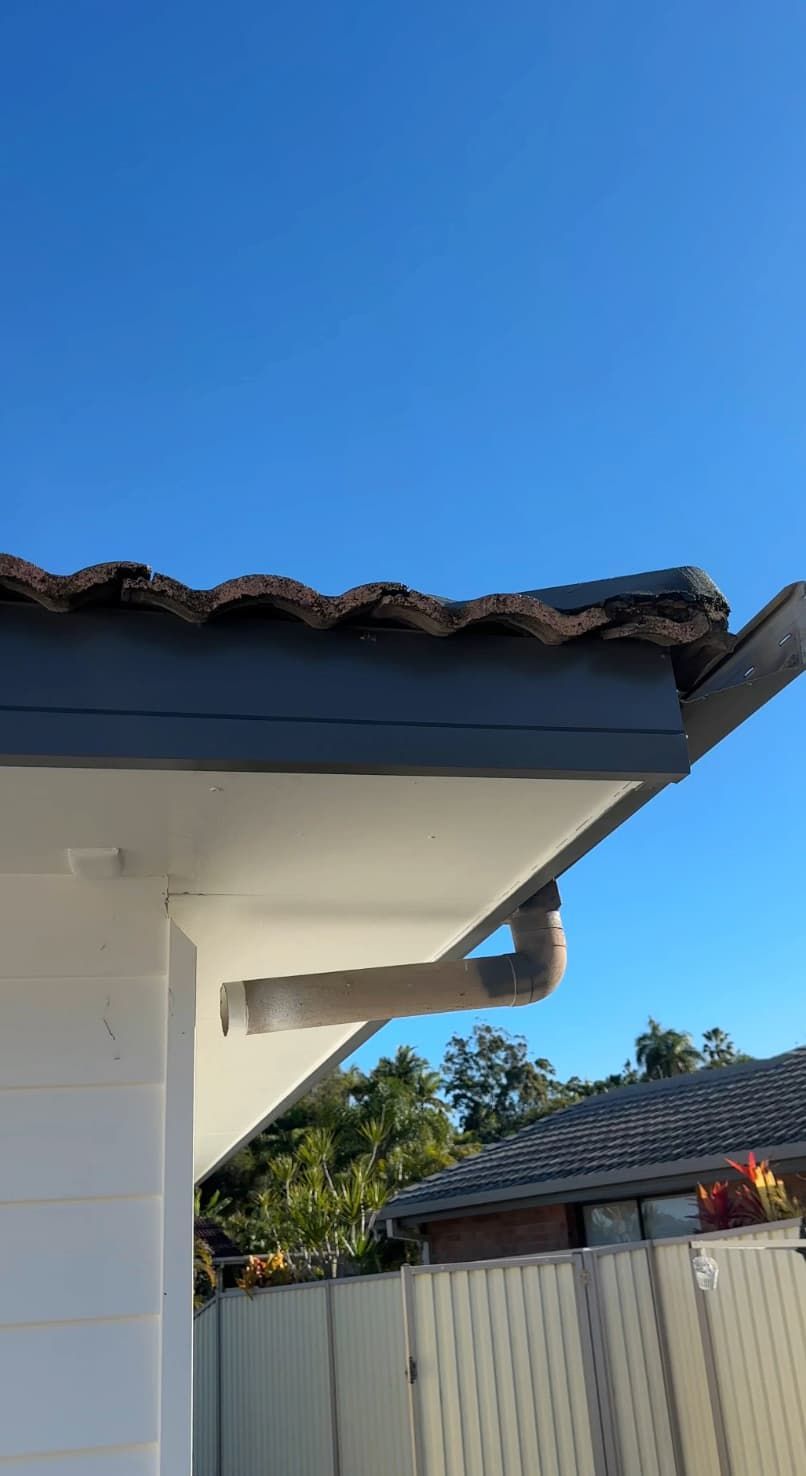
Concrete tile roofs should be assessed for cracks, surface wear, previous coatings and the condition of ridge capping before cleaning starts.
For a roof with a sound finish that simply needs maintenance, a compatible low-pressure cleaning approach may be appropriate.
If the roof is being restored and repainted, the preparation requirements can be more demanding. Loose paint, dirt and unstable surface material need addressing before the new coating is applied.
The contractor should follow the chosen coating system’s specification while considering whether the tiles are strong enough for the proposed process.
Cleaning will not repair a broken tile or secure loose ridge capping. Those defects need their own repairs, regardless of which washing method is used.
Cleaning Terracotta Tile Roofs
Terracotta roofs need an assessment of the tiles and their surface finish. Age alone does not tell you whether a tile can tolerate a particular cleaning method.
Some roofs have sound glazed tiles, while others contain weathered or fragile sections. Previous repairs and coatings can also affect the approach.
The aim should be to remove contamination while preserving serviceable tiles and finishes. A compatible treatment may help address growth, but the product must be suitable for the roof.
Avoid assuming that terracotta always requires one method. The cleaning plan should reflect the actual condition of the roof, including mortar, flashings and vulnerable areas.
Where painting is proposed, coating suitability needs a separate assessment.
Cleaning Metal And Colorbond Roofs
Metal roofs require attention to the existing finish, fasteners, sheet overlaps, flashings and any corrosion.
For routine COLORBOND® steel maintenance, the manufacturer recommends fresh-water washing and, where necessary, a mild soap or non-abrasive detergent solution. Stronger cleaning treatments should not be assumed compatible simply because they are marketed for roof cleaning.
A low-pressure application can still damage a finish if the chemical is unsuitable. Equally, poorly directed pressurised water can enter vulnerable roof details.
Cleaning a metal roof for maintenance and preparing it for recoating are separate tasks. The contractor should establish which is required before selecting products and equipment.
Can Softwashing Or Pressure Washing Damage A Roof?
Both methods can cause problems when used incorrectly.
Pressure washing risks include disturbing deteriorated pointing, damaging fragile surfaces, removing coatings that should remain and directing water beneath tiles or through roof details.
Softwashing risks include staining or degrading incompatible finishes, damaging nearby plants and leaving unsuitable residues. Chemical drift and runoff also need managing.
Before either process, the roof should be checked for defects that could affect the work.
Neither method is appropriate for casually cleaning suspected asbestos roofing. If the material is uncertain, identification and specialist advice should come before any washing.
Softwashing And Pressure Washing Around The Property
A complete exterior clean should account for each surface individually.
Rendered And Painted Walls
For sound painted walls and render, a suitable low-pressure wash may help remove dirt and organic staining without unnecessarily disturbing the finish.
Cracks, peeling paint and gaps around windows need checking first. Cleaning cannot restore failing paint, and water should not be directed into vulnerable openings.
Exterior Cladding
Cladding requirements vary by product and coating. Follow the relevant manufacturer’s care instructions rather than treating all wall panels alike.
For example, James Hardie’s published siding guidance favours low-pressure water and a suitable soft brush over high-pressure washing. Australian product-specific instructions should guide the actual job.
Gutters, Fascias And Eaves
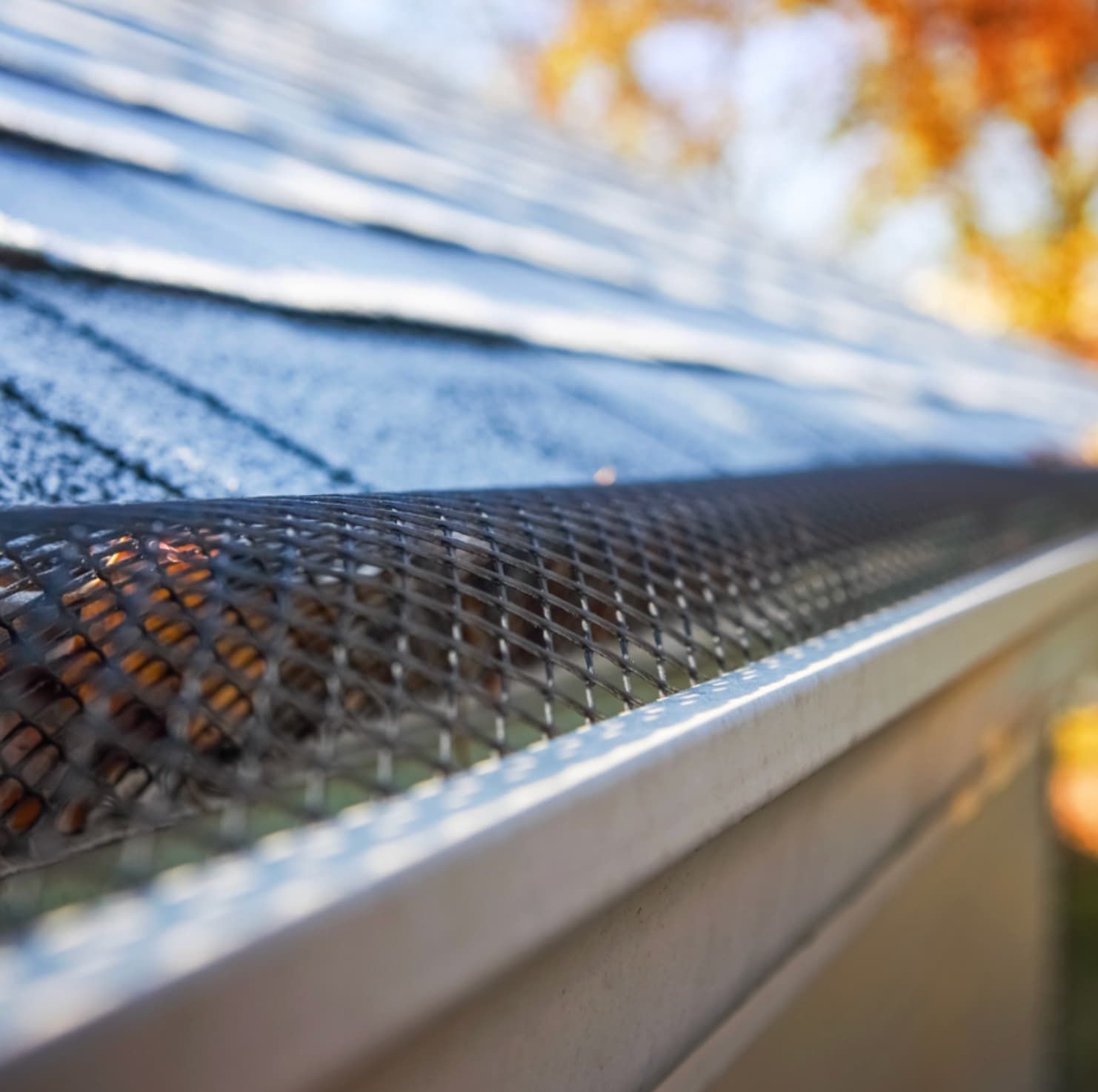
Cleaning gutter exteriors is different from clearing leaves and debris inside them.
These areas also sit close to roof openings, vents and joints. A controlled approach helps clean the visible surfaces without directing water into the building.
Driveways And Paving
Sound concrete driveways often suit pressure cleaning better than sensitive painted surfaces. However, sealers, decorative finishes, cracks and paving joints still require consideration.
Pressure washing may remove loose dirt effectively, but oil, rust and other stains can require targeted treatment. More pressure does not necessarily remove every mark.
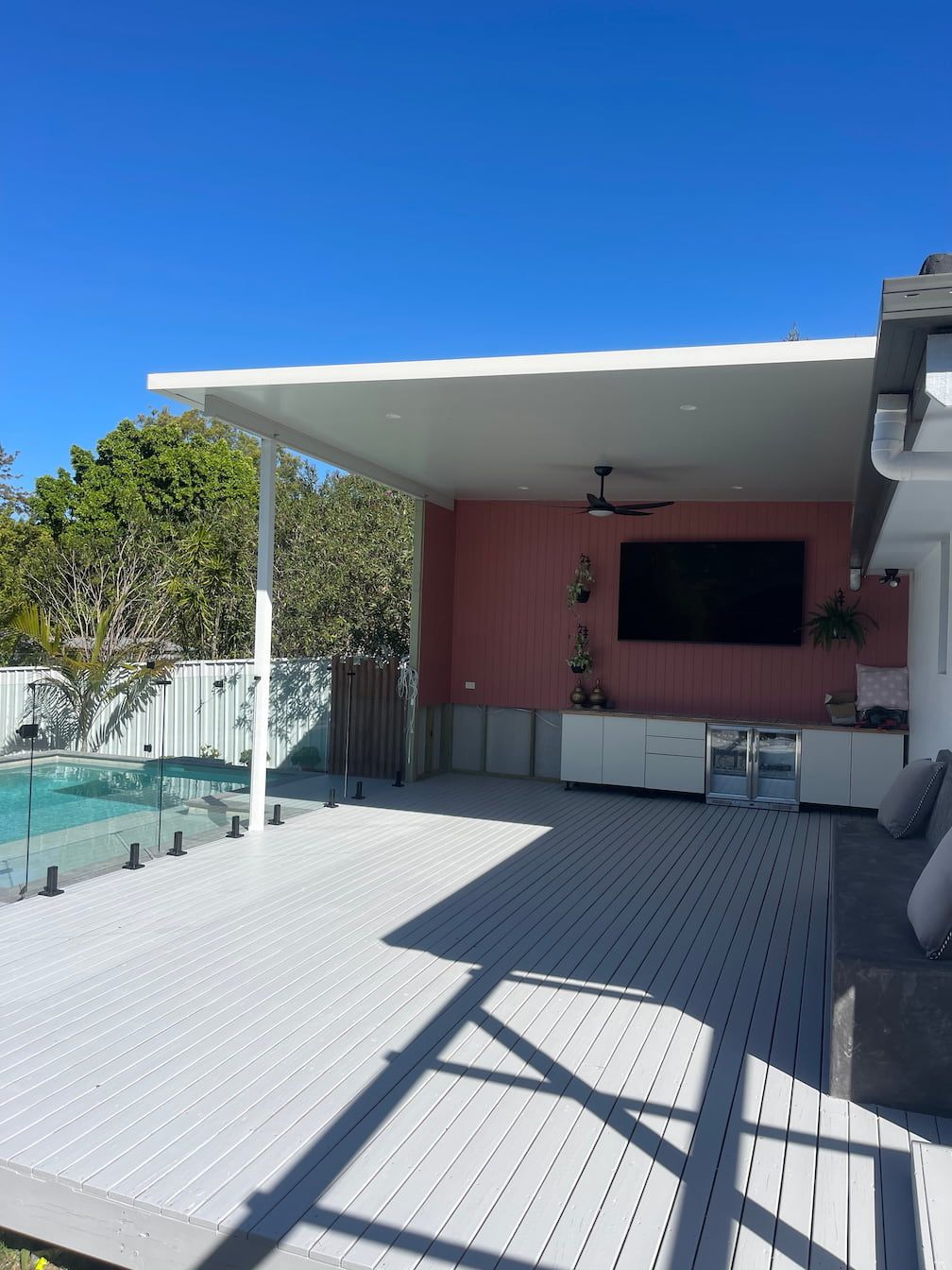
Timber Decks And Fences
Timber can become rough or lose its coating under aggressive washing. The condition of the wood and finish should determine the cleaning approach.
Composite decking and natural stone also need product-specific care. They should not automatically receive the same treatment as plain concrete.
Does Softwashing Keep A Roof Cleaner For Longer?
A suitable treatment can address organic growth more directly than washing away visible contamination alone.
However, there is no reliable promise that one method will keep every roof clean for a fixed period. Regrowth depends on shade, moisture, nearby vegetation, roof texture and local conditions.
On Gold Coast properties, sheltered roof sections may develop staining differently from sunny, exposed areas. The same roof can therefore have several cleaning needs.
A treatment should be chosen for an identified problem, rather than applied on the assumption that every dark mark is algae or mould.
What Should You Ask Before Booking?
Before accepting a roof or exterior cleaning quote, ask:
- What materials and existing finishes have been identified?
- Is the work maintenance cleaning or restoration preparation?
- Why is the proposed method suitable?
- How will damaged areas be addressed?
- How will plants, neighbouring surfaces and runoff be managed?
- What is included in the quoted scope?
Mention rainwater tanks, ponds and delicate landscaping before work starts. Cleaning runoff needs a plan, particularly where roof drainage connects to stored water.
Choosing The Right Clean For Your Property
Softwashing and pressure washing both have a place in exterior and roof cleaning. The best result comes from matching the method to the material, its condition and the purpose of the work.
Your roof may need a different approach from your driveway, and painted walls may need different treatment again.
At Refresh Roof & Exterior Restorations, we help Gold Coast homeowners understand their roof and exterior cleaning options. Contact our team to discuss your property and the preparation or cleaning it needs.

Written by Reece Worboys
Reece has been in the Gold Coast roofing game for over 15 years and is a trade-qualified roof plumber and painter/decorator. He's also a QBCC licensed supervisor and roofing contractor.