What Is Reroofing?
Reroofing is the process of removing an old or badly deteriorated roof and replacing it with a new roofing system. Unlike a roof restoration, which repairs and recoats the existing surface, reroofing gives the property an entirely new roof.
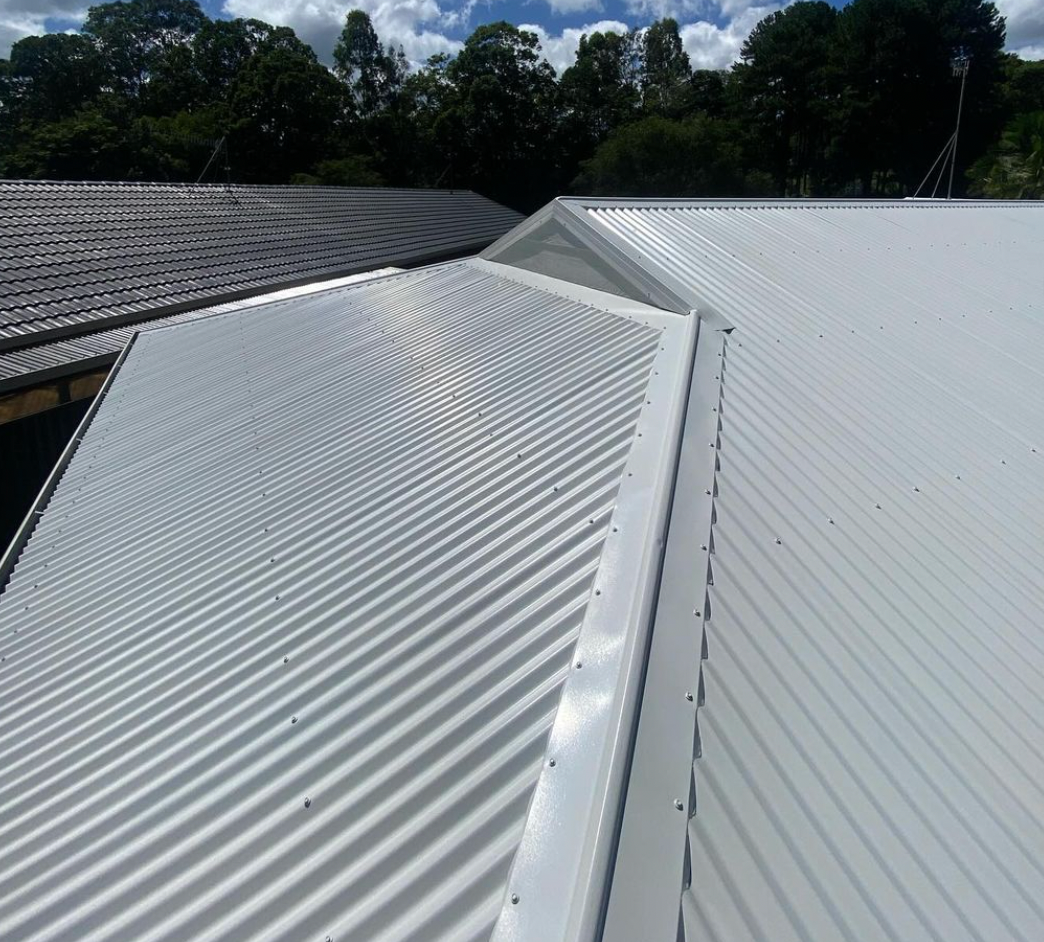
Depending on the home, reroofing may involve replacing old metal sheets with new roof sheeting, installing new tiles or converting a tiled roof to metal. Associated components such as battens, flashings, valleys, insulation and guttering may also be replaced where required.
At Refresh Roof & Exterior Restorations, we have worked on roofs in almost every condition across the Gold Coast and surrounding areas. One of the most important parts of our job is determining whether a roof can still be repaired or restored—or whether continuing to spend money on it is simply delaying the inevitable.
Reroofing is a bigger investment than completing isolated repairs or a restoration, but it can be the better long-term option when the original roofing materials have reached the end of their serviceable life.
What Does Reroofing Involve?
The exact reroofing process depends on your existing roof, the material being installed and the condition of the structure underneath it. However, the project generally begins with removing the old roofing material so the battens and supporting components can be properly inspected.
Once the roof is stripped, damaged or unsuitable components can be replaced before the new roof is installed. This may include:
- Removing old tiles or metal roof sheets
- Inspecting the battens, rafters and roof structure
- Replacing damaged or deteriorated battens
- Installing insulation or roof blanket where required
- Fitting new roof sheets or tiles
- Installing new ridge capping, valleys and flashings
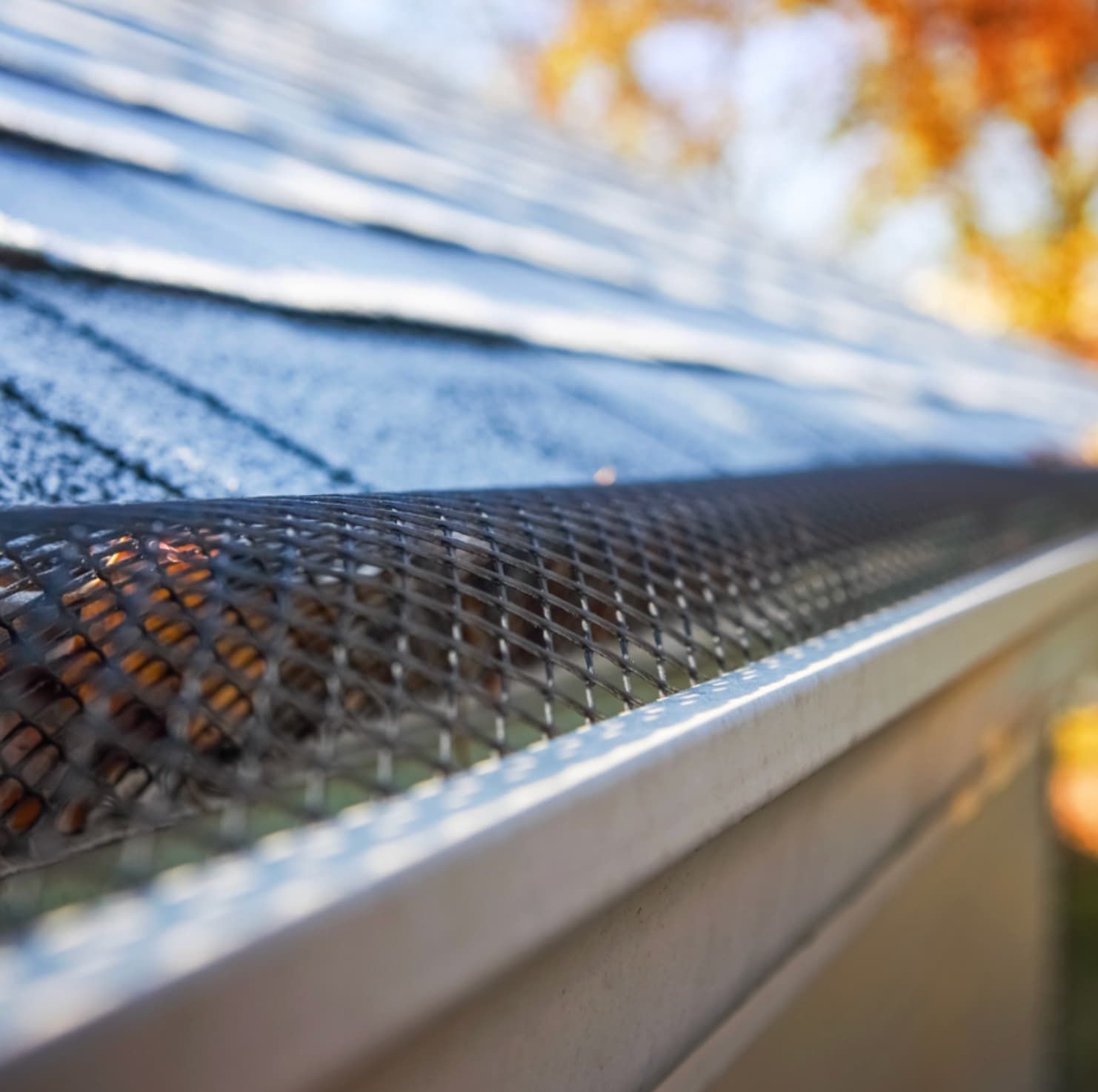
- Replacing gutters and downpipes if included
- Sealing penetrations around vents, skylights and pipes
- Removing the old roofing materials from the property
A reroof is not simply a matter of putting new material over the top of an existing problem. Correct preparation, accurate installation and properly designed flashings are essential if the new roof is going to remain watertight.
What Is the Difference Between Reroofing and Roof Restoration?
Reroofing and roof restoration are sometimes treated as interchangeable terms, but they are very different services.
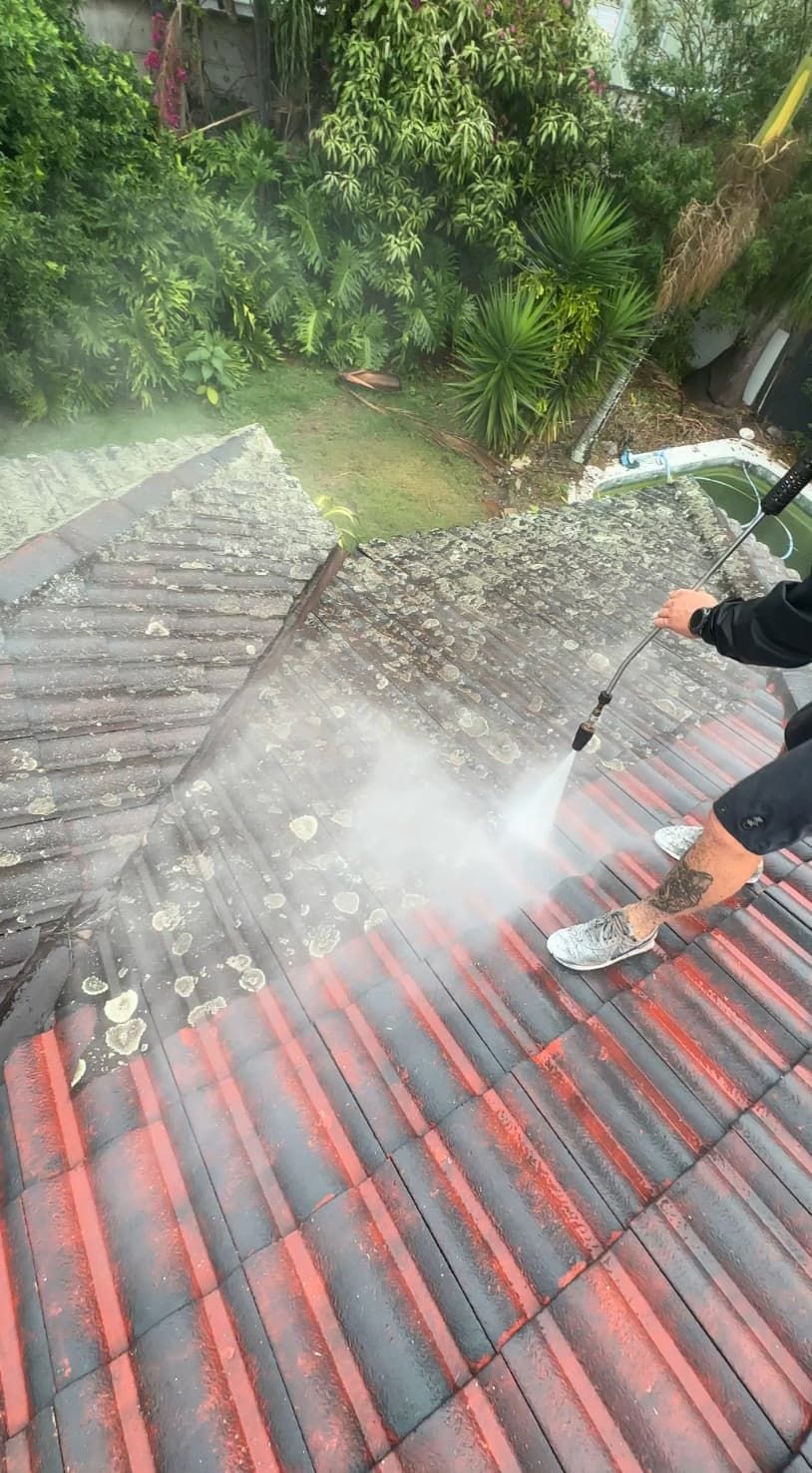
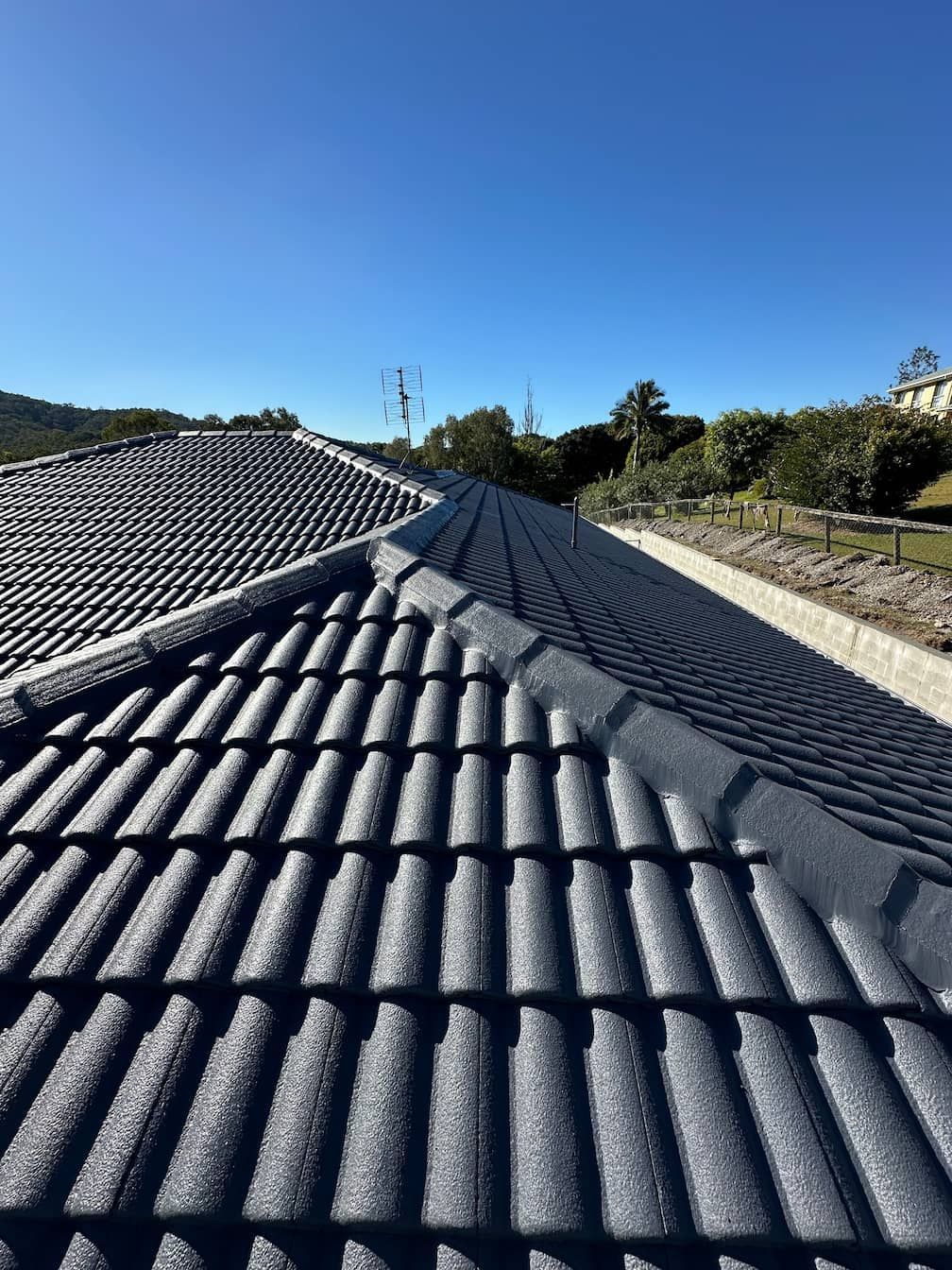
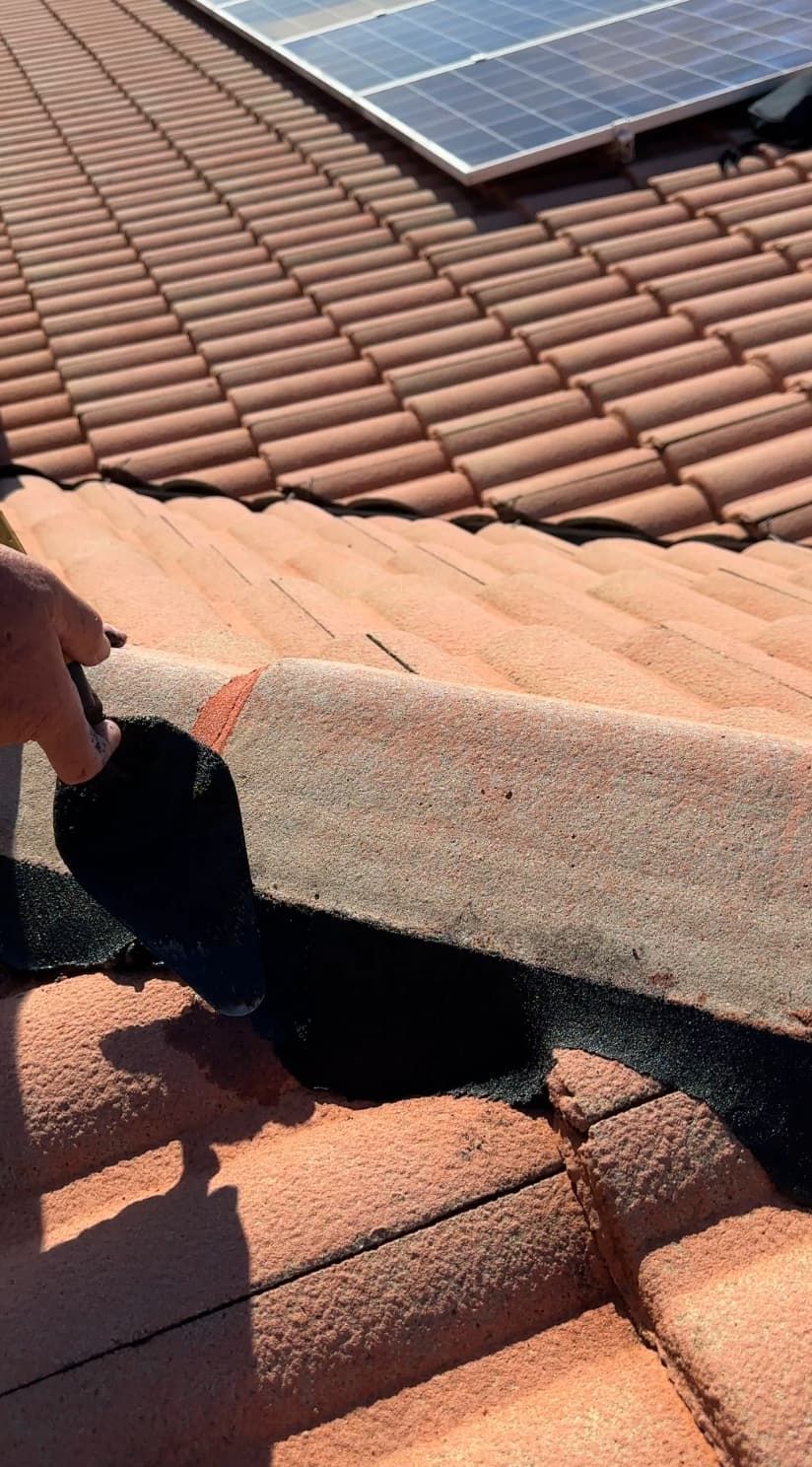
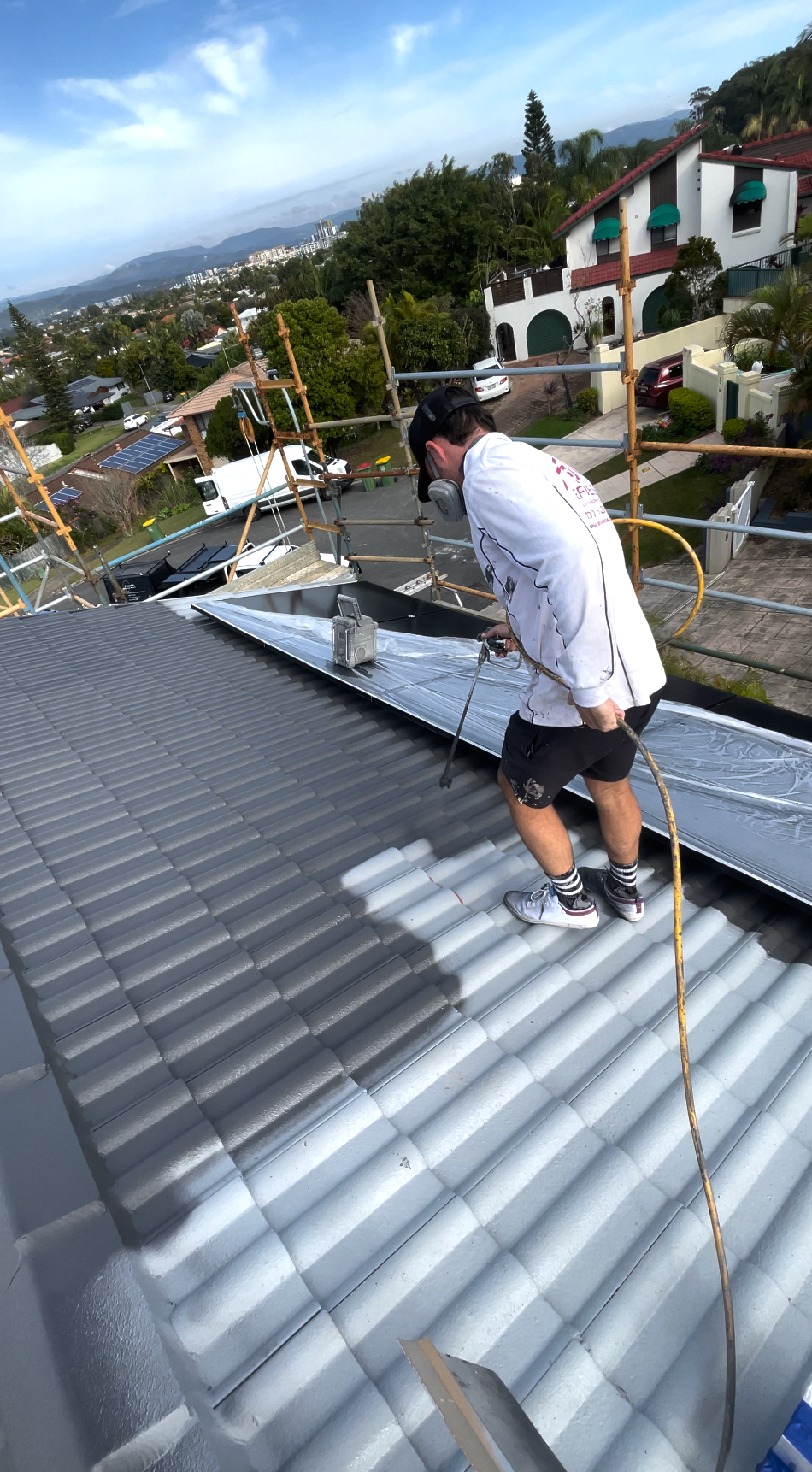
A roof restoration keeps the main roofing material in place. The roof is cleaned and repaired before a protective coating is applied. On tiled roofs, the work may include replacing broken tiles, rebedding and repointing ridge caps, fixing leaks and applying a primer and roof membrane. Metal roof restorations can involve treating surface rust, replacing screws, sealing problem areas and recoating the sheets.
Reroofing involves replacing the roofing material itself.
We regularly inspect roofs where a restoration can produce an excellent result and extend the roof’s usable life. We also encounter roofs that should never have been restored in the first place. A fresh coating can make an old roof look much better from the street, but it cannot fix severely corroded sheets, failing structural components or widespread damage beneath the surface.
Our approach is to recommend a restoration only when the existing roof provides a suitable foundation. If it does not, reroofing is generally the more responsible recommendation.
When Is Reroofing a Good Option?
No two roofs deteriorate in exactly the same way. Their condition is affected by their age, original installation, materials, maintenance history and exposure to the surrounding environment.
Reroofing may be a good option in the following situations.
The Roof Has Widespread Rust
Small areas of surface rust on a metal roof can sometimes be treated as part of a professional restoration. Widespread corrosion is a different matter.
Once rust has significantly affected the roof sheets—particularly around overlaps, screw holes, valleys and sheet ends—the metal may be too thin or damaged to repair reliably. We often find that patching one corroded area simply reveals another weak point nearby.
If large sections of the roof are rusting or water is entering through multiple areas, replacing the sheets can provide a much more dependable result.
The Roof Continues to Leak
One isolated leak does not necessarily mean you require a new roof. Leaks can result from cracked tiles, loose screws, deteriorated sealant, damaged flashings or overflowing gutters. Many of these problems can be repaired without replacing the entire roof.
The concern is when leaks keep returning despite repeated repairs.
From our experience, recurring leaks commonly indicate that the visible entry point is only part of a broader issue. Water can travel along roof framing, insulation or underlays before appearing inside the home, making the source difficult to identify from the ceiling stain alone.
When several roof areas are failing, continued patching can become expensive without providing lasting certainty. Reroofing allows all the sheets or tiles, flashings and vulnerable junctions to be addressed as one complete system.
Repairs Are Becoming Too Frequent
An older roof can gradually reach the point where maintenance turns into an ongoing cycle. One repair is completed, followed by another problem several months later.
Each job may appear manageable on its own, but the combined cost can add up quickly. Homeowners also have to deal with repeated inspections, tradespeople and the risk of further internal water damage.
When assessing a roof, we consider more than whether an individual repair is technically possible. We also consider whether completing that repair represents sensible value. If a roof is likely to keep developing new problems, putting the repair budget towards reroofing may be the better long-term decision.
The Roofing Material Has Reached the End of Its Life
Quality roofing materials can last for decades, but no roof lasts forever. Eventually, exposure to ultraviolet radiation, rain, wind, moisture and temperature changes will cause materials and fixings to deteriorate.
The Gold Coast climate can be particularly demanding. Roofs face strong summer sun, high humidity, heavy rainfall, coastal air and severe storms. Properties close to the coast may also experience accelerated corrosion due to salt in the air.
Age alone does not decide whether a roof needs replacing. We have inspected older roofs that remain serviceable and younger roofs with significant problems caused by poor installation or unsuitable materials. The roof’s actual condition is far more important than a date on paper.
The Existing Roof Was Poorly Installed
Unfortunately, we regularly see roofing work that has not been completed correctly. Common problems include poorly positioned screws, inadequate sheet overlaps, unsuitable sealants, incorrectly installed flashings and rushed repairs that hide the problem instead of resolving it.
Bad workmanship can create ongoing leaks and cause roofing materials to deteriorate prematurely. In some cases, individual sections can be corrected. In others, the installation has so many faults that replacing the roof is the only practical way to deliver a reliable result.
Reroofing provides an opportunity to correct these problems properly instead of building more temporary repairs onto a faulty system.
You Want to Change the Roofing Material
Reroofing can also be chosen as part of a major renovation, even if the existing roof has not completely failed.
For example, some homeowners choose to replace tiles with metal roofing to create a more modern appearance. Metal roofing is available in an extensive range of profiles and colours and can significantly change the overall character of a home.
A roof conversion requires careful planning. Tiles and metal sheets have different weights and installation requirements, so the roof structure, tie-downs, battens, drainage and other details must be assessed before work begins. It is not simply a matter of removing one product and fitting another.
Can a Damaged Roof Be Restored Instead?
Potentially, yes. We never recommend replacing a complete roof when a proper restoration will provide a reliable and cost-effective result.
A restoration may be suitable when the main roof structure and roofing materials remain sound but the roof has developed manageable signs of deterioration. These may include:
- Faded or worn roof coatings
- Dirt, moss or lichen growth
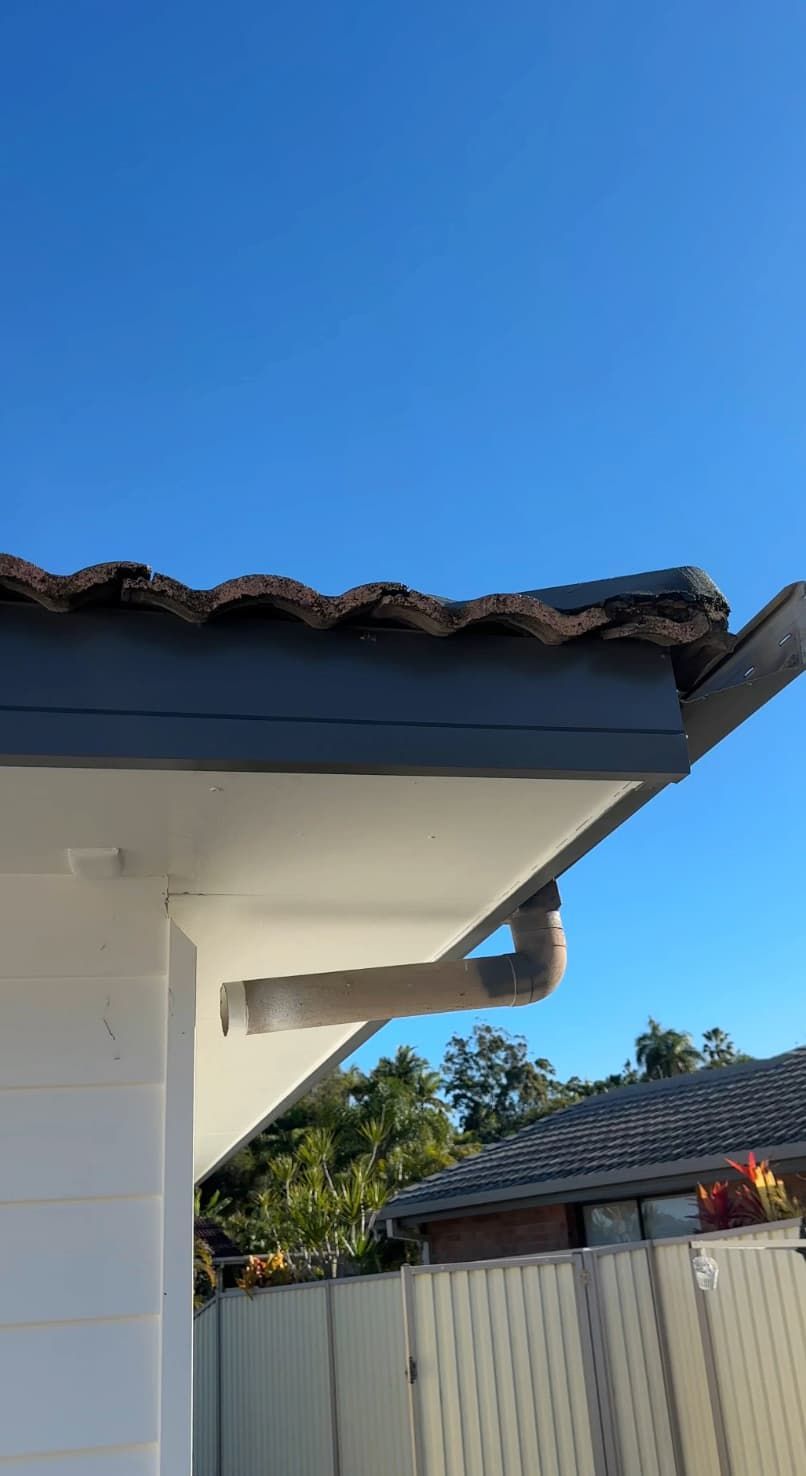
- A limited number of cracked tiles
- Loose or deteriorated ridge-cap pointing
- Minor surface rust
- Worn screws and seals
- Small, identifiable leaks
- General weathering that has not compromised the material
The inspection is critical. Pressure cleaning and painting a roof without first determining why it is leaking or deteriorating can hide issues temporarily. It does not resolve them.
We inspect the roof as a complete system and consider the condition of its sheets or tiles, fixings, flashings, valleys, ridge capping and penetrations. This allows us to explain whether restoration, repair or reroofing offers the best value.
Is It Better to Reroof Before or After a Major Renovation?
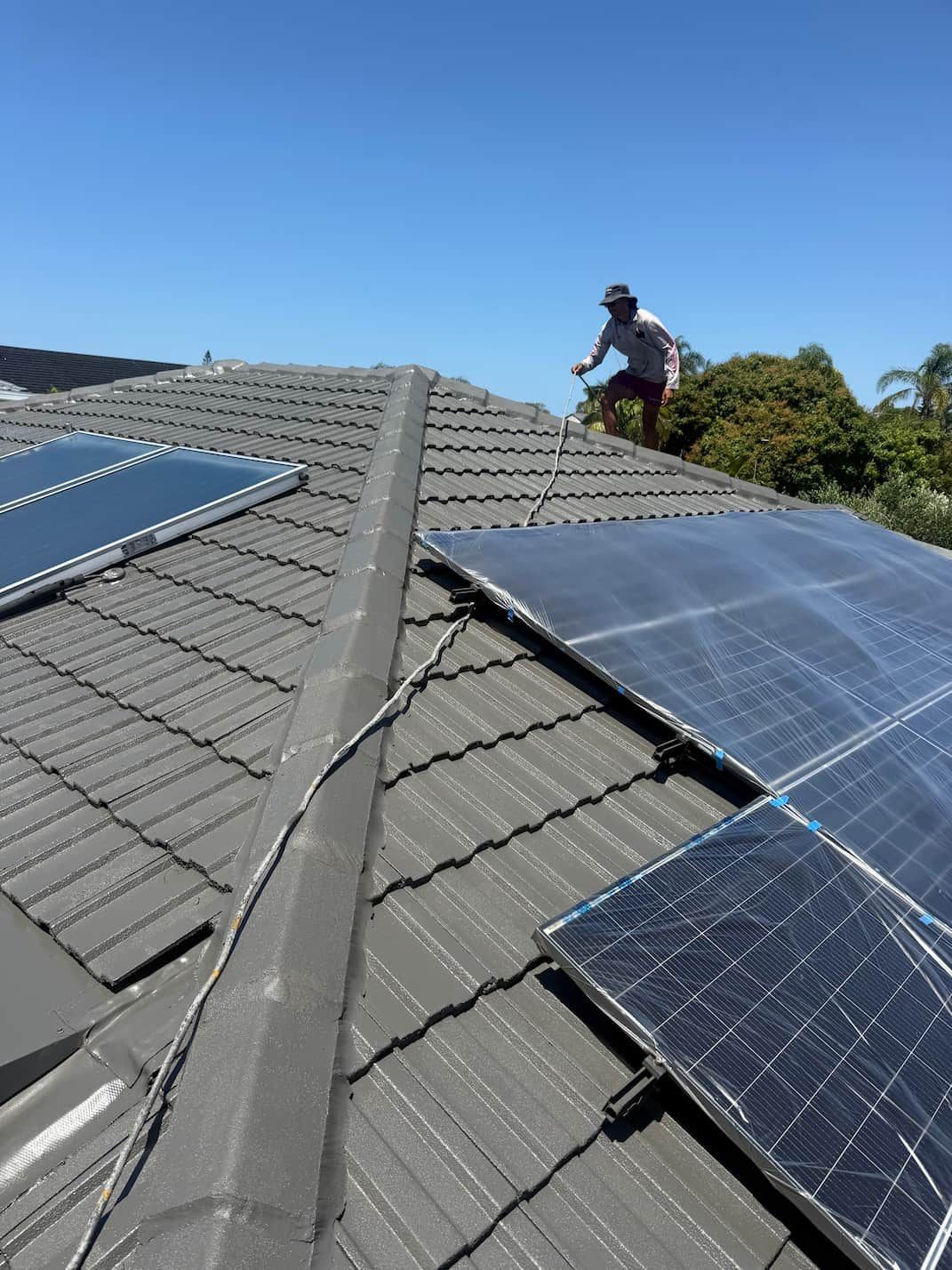
Reroofing should be coordinated with the rest of your renovation plans. If you intend to add an extension, change the roofline, install solar panels or alter patios and gutters, it is worth discussing these projects before the roofing work begins.
Completing the jobs in the wrong order can create unnecessary costs. For example, installing solar panels immediately before replacing the roof means the system may need to be removed and reinstalled. Similarly, reroofing before finalising an extension may result in parts of the new work being modified later.
Planning everything together allows the roof layout, drainage and penetrations to be completed neatly and efficiently.
What Are the Benefits of Reroofing?
The most important benefit of reroofing is that it replaces ageing or unreliable roofing materials with a new system designed to provide long-term protection.
Other potential benefits include:
- Reducing the likelihood of recurring roof leaks
- Protecting ceilings, insulation and internal finishes
- Improving the home’s street appeal
- Updating the roof colour and profile
- Correcting previous installation problems
- Allowing damaged battens or components to be replaced
- Improving insulation during the project
- Preparing the roof for future solar installation
- Reducing ongoing repair and maintenance expenses
- Increasing buyer confidence when selling the property
A new roof can also provide peace of mind before the Gold Coast storm season. While every roof still requires appropriate maintenance, knowing that the materials, fixings and flashings have been installed as a complete new system removes much of the uncertainty associated with an ageing roof.
How Long Does Reroofing Take?
The project timeframe depends on the roof’s size, pitch, accessibility, material and complexity. Weather conditions can also affect the schedule because the home must be protected while the existing roof is being removed.
A straightforward metal reroof may be completed relatively quickly, while a large or complex home with multiple valleys, penetrations and roof levels will take longer. Additional structural repairs or unexpected damage uncovered after removing the old roof can also extend the project.
We assess these factors before work begins and explain the expected process so the property owner knows what to anticipate.
Should You Replace Your Gutters at the Same Time?
You do not always need to replace gutters during a reroof. However, combining the projects can make sense if the existing gutters are rusted, leaking, undersized or nearing the end of their life.
The roof and guttering system need to work together. Installing new roof sheets while leaving badly deteriorated gutters in place can undermine the overall result and may lead to drainage problems during heavy rain.
Replacing the guttering at the same time can also create a more consistent finish, especially when updating the roof colour. We assess the gutters, downpipes and water flow as part of the broader project and recommend replacement only where it is beneficial.
How Do You Know If You Need Reroofing?
The only dependable way to know is to have the roof professionally inspected. A roof can appear tired from the ground but still be an excellent candidate for restoration. Another roof may look reasonably presentable while concealing substantial corrosion or installation problems.
Be cautious of anyone recommending a reroof—or promising a cheap restoration—without properly assessing the condition of the roof.
After working on a wide variety of tiled and metal roofs across the Gold Coast, we know that the right answer is not always the most extensive job. The goal should be to identify the option that provides reliable protection and genuine long-term value.
Refresh Roof & Exterior Restorations provides roof repairs, restorations and reroofing services across the Gold Coast, Brisbane, Ipswich and surrounding areas. We can inspect your roof, explain its condition and provide an honest recommendation based on what it actually needs. Call us on 1300 637 188 or request a quote online.

Written by Reece Worboys
Reece has been in the Gold Coast roofing game for over 15 years and is a trade-qualified roof plumber and painter/decorator. He's also a QBCC licensed supervisor and roofing contractor.